 backup_3baef8
The Concept of Luck in Gambling
Luck is often regarded as a significant factor in gambling, particularly when it comes to casinos. This idea stems from the unpredictable nature of games of chance, where outcomes are largely based on random events. While some games involve skill and strategy, such as poker or blackjack, many casino games rely heavily on luck, as players have no control over the results of a spin or a roll. If you are interested in finding options with quicker payouts, exploring an online casino uk fast withdrawal can enhance your gaming experience. This inherent randomness can evoke excitement among players, as it introduces an element of surprise and uncertainty in every game.
The psychological allure of luck often draws individuals to casinos, as many believe that luck can change their fortunes in an instant. For example, a player may wager a small amount on a slot machine and hit the jackpot, transforming them from a casual visitor into a big winner. This phenomenon reinforces the belief that luck plays a crucial role in casino success, motivating people to try their hand at various games, hoping for that elusive lucky streak.
However, it’s crucial to note that luck is not a guarantee of success. While someone may have an incredible run of luck one night, it’s common for players to experience losses in the long term. Hence, understanding luck’s role is essential for anyone considering venturing into a casino, as it serves as both a driving force for excitement and a reminder of the unpredictability of gambling outcomes.
Games Driven by Luck
Many casino games are predominantly based on luck, offering players a unique experience where outcomes are determined entirely by chance. Examples of such games include slot machines, roulette, and dice games. Players typically engage with these games knowing that their success hinges on random number generation or the fall of a ball, making them highly reliant on luck. This creates a thrilling atmosphere where anything can happen, and the potential for a significant payout exists at any moment.
Slots, for instance, are designed to operate on random number generators that dictate outcomes, meaning players have no control over the results. The flashing lights and enticing sound effects contribute to the overall experience, making it difficult for players to resist trying their luck. Likewise, games like roulette integrate elements of chance through spinning a wheel and betting on various outcomes, where luck plays a pivotal role in determining a winner. These games exemplify how luck captivates players and influences their decisions in the casino environment.
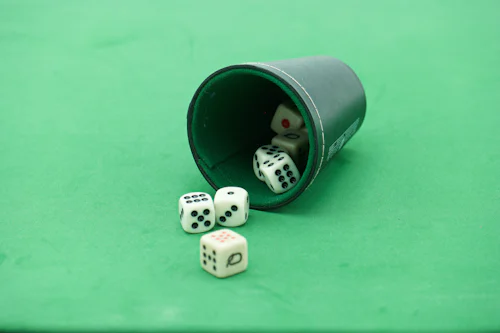
Ultimately, while skill may enhance a player’s experience in certain games, luck remains the driving force behind many casino successes. Players often reminisce about their lucky streaks, sharing stories of remarkable wins that seem almost unbelievable. These narratives help perpetuate the allure of casinos, as people are drawn to the possibility of replicating such luck for themselves.
The Impact of Luck on Player Psychology
Luck significantly influences player psychology, often shaping their expectations and experiences at casinos. Gamblers frequently find themselves caught up in the excitement of potential wins, which can lead to a surge of adrenaline and a sense of euphoria. This psychological response can drive players to continue gambling, fueled by the hope that luck will be on their side. The thrill of risking money for a chance at winning becomes a powerful motivating factor.
Moreover, the concept of “lucky charms” is prevalent among gamblers, who believe that certain items might influence their luck. This phenomenon exemplifies how luck impacts psychological behavior, as individuals ascribe personal meaning to various rituals or objects. Whether it’s a specific piece of clothing or a particular seat at the table, players often seek out these lucky elements, reinforcing their belief in luck’s power to shape outcomes.
However, it is essential to approach this mindset with caution. While luck can be exhilarating, it can also lead to reckless decisions, as players may chase losses or bet beyond their means, convinced that luck will eventually shift in their favor. Understanding the psychological effects of luck can help players maintain a balanced approach to gambling, enjoying the thrill while being mindful of the inherent risks involved.
Strategies for Managing Luck in Casinos
Even in games where luck predominates, players can adopt strategies to manage their expectations and approach to gambling. While it’s impossible to control luck, understanding the odds and setting limits can lead to a more enjoyable experience. Players should first acknowledge that luck plays a significant role but also recognize the importance of responsible gambling practices. Setting a budget and adhering to it can help prevent excessive losses and ensure that gambling remains a form of entertainment rather than a financial burden.

Additionally, players can choose games with better odds when considering their approach. While games like slots are entirely luck-based, others, such as blackjack and poker, allow players to utilize skill and strategy to some extent. Understanding the rules, odds, and strategies for these games can enhance a player’s chances of success, even in a world where luck is a prevailing factor.
Ultimately, managing luck in casinos is about finding a balance between embracing the thrill of chance and maintaining a grounded perspective. Recognizing the role of luck can help players enjoy their time in casinos, whether they win or lose. The excitement of the gaming floor and the chance to experience good fortune should always accompany an understanding of responsible gambling practices.
Conclusion and Reflection on Luck’s Role
Luck is an undeniable aspect of casino success, influencing both the outcomes of games and the experiences of players. Whether through random spins on a slot machine or the roll of dice at the craps table, luck can make or break a session at the casino. However, while luck may drive excitement and the allure of potential wins, it is crucial for players to recognize its limitations. Understanding the odds, setting personal limits, and approaching gambling with a balanced mindset can enhance one’s overall experience in the casino environment.
The interplay between luck and skill varies across different games, contributing to the diverse landscape of gambling. Players engaging in games reliant on chance may find sheer luck exhilarating, while those who prefer skill-based games can navigate their strategies and improve their odds. Regardless of the game choice, the role of luck remains a central theme, capturing the essence of what attracts people to casinos in the first place.
As players reflect on their experiences, they should appreciate the thrill that luck brings while remaining mindful of the inherent unpredictability of gambling. Casinos offer a unique environment where luck reigns supreme, but the most enjoyable experiences come from responsible play and an understanding of the games being played. Acknowledging luck’s role allows players to dive deeper into the excitement while ensuring a safe and enjoyable gaming experience.